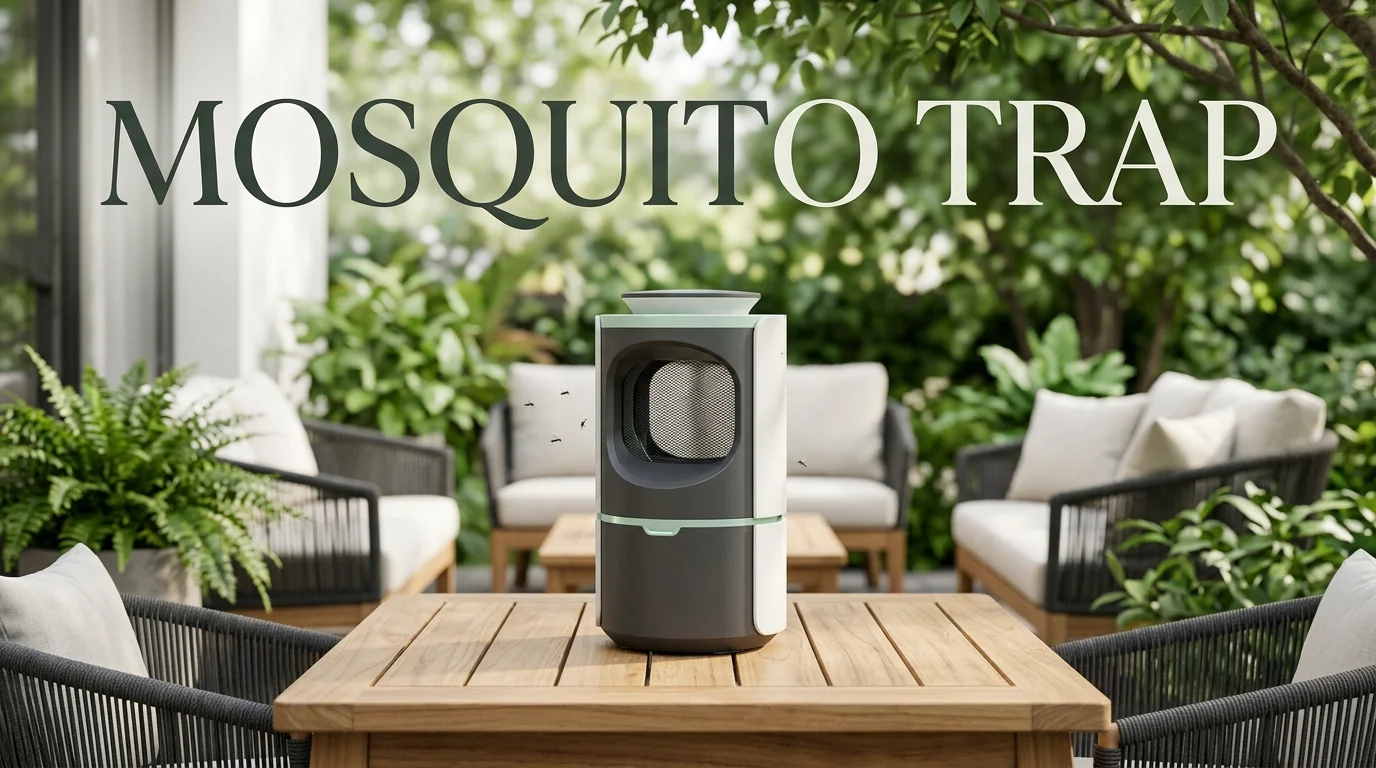
Canadian summers can make patios, decks, and gardens difficult to enjoy after dusk. A mosquito trap can catch biting insects, but results depend heavily on the technology. The strongest approach combines a suitable trap with standing-water control and personal protection. More from us: Bathroom Countertops.
Quick answer: For Canadian homes, traps that use carbon dioxide, heat, scent, or multiple host cues usually target mosquitoes better than light-only devices. No consumer trap should replace standing-water control, screens, or repellent. Choose the technology based on your yard size, budget, power access, and tolerance for maintenance.
Quick Facts for Canadian Homeowners
| Factor | What to Know |
|---|---|
| Best targeted technology | CO₂ or host-attractant traps |
| UV-only traps | Catch many flying insects, not only mosquitoes |
| Typical use | Patios, suburban yards, cottages, and larger properties |
| Indoor options | Small fan and glue-card traps |
| Outdoor placement | Away from seating, usually in shaded mosquito activity areas |
| Maintenance | Empty catches, replace lures, clean fans, and inspect power supplies |
| Population control | Traps alone should not be relied upon for property-wide control |
| Canadian season | Mosquito activity is common from roughly May through September |
Key Takeaways
- Match the trap type to the problem instead of choosing by coverage claims alone.
- CO₂ and scent-based systems imitate cues used by host-seeking female mosquitoes.
- UV devices can catch insects without targeting mosquitoes.
- Place outdoor traps away from patios where people gather.
- Remove standing water before spending heavily on trapping equipment.
- Check replacement-lure, propane, bulb, or glue-card costs before buying.
- Use Health Canada guidance when choosing mosquito-control products.
How a Mosquito Trap Works
A mosquito trap attracts insects and then captures or kills them. Different models use carbon dioxide, scent, heat, light, or combinations of these signals. A fan may then pull approaching insects into a container or net.
Host-seeking female mosquitoes respond strongly to carbon dioxide and other host cues. The CDC uses carbon dioxide with surveillance traps when collecting host-seeking females. It also lists human-scent and octenol lures for certain professional trapping systems.
That does not mean every consumer device performs equally well. Health Canada specifically warns against relying on trapping devices to reduce mosquito populations. Source reduction remains an important part of household control. More from us: Mold Test Kit in Canada.
Four Main Types Compared
Canadian shoppers encounter several technologies under the same product category. Their operating costs, selectivity, and maintenance needs differ considerably. This comparison helps narrow the useful choices.
| Type | How It Attracts Insects | Best Use | Main Drawback |
|---|---|---|---|
| CO₂ or propane trap | Carbon dioxide, heat, moisture, lure | Larger yards with persistent mosquitoes | Higher purchase and running costs |
| CO₂ or scent-lure fan trap | Gas or scent attractant plus suction | Targeted backyard trapping | Lures require replacement |
| UV and fan trap | Ultraviolet light plus suction | General flying-insect collection | Less mosquito-specific |
| Indoor glue-card trap | Light plus fan and adhesive | Occasional indoor flying insects | Limited outdoor usefulness |
1. CO₂ and Propane Traps
These units try to imitate signals produced by people or animals. Some propane systems generate carbon dioxide while also producing heat and moisture. A fan captures insects as they approach the device.
Their biggest advantage is mosquito-specific attraction compared with simple light traps. Their biggest disadvantage is cost, because fuel and replacement attractants add recurring expenses. Larger machines also need a suitable permanent location.
Canadian retail pricing varies widely by design and season. Current listings show propane systems at major Canadian retailers for around CA$599 to CA$700. Availability can also change quickly during peak summer demand.
Pros:
- Uses cues that attract host-seeking mosquitoes.
- Suitable for larger outdoor spaces.
- Can operate continuously during mosquito season.
- More targeted than a basic light-only unit.
Cons:
- Higher initial purchase price.
- Propane or lure replacements increase running costs.
- Requires regular cleaning and inspection.
- Results still depend on placement and nearby breeding areas.
2. Scent-Lure and Fan Traps
Some electric traps pair airflow with scent attractants such as octenol. The CDC notes that attractants can improve certain professional mosquito surveillance traps. Consumer designs use similar attraction principles with different hardware.
These systems can suit homeowners who want targeted attraction without propane combustion. Check how often each lure requires replacement before choosing a model. Replacement products can affect the true seasonal cost.
Pros:
- Can target host-seeking insects.
- Often simpler than propane equipment.
- Suitable for patios and modest yards.
- Usually quieter than electric zappers.
Cons:
- Replacement lures create ongoing costs.
- Requires correct positioning.
- Coverage claims do not guarantee equal performance.
- Wind and competing human scents can affect results.
3. UV Traps and Bug Zappers
UV units use light to attract flying insects toward a fan or electrified grid. They are widely available and can cost considerably less than propane systems. Home Depot Canada currently lists several outdoor units below CA$100.
The limitation is selectivity, not their ability to catch insects. Health Canada says you shouldn’t rely on bug zappers to control mosquito populations. Buyers should separate “many insects caught” from meaningful mosquito management.
UV models may still suit people who want to collect flying insects in general. They can also be easier to maintain than fuel-powered units. Keep expectations realistic if mosquitoes are the main concern.
Pros:
- Lower purchase prices are available.
- Simple electrical operation.
- No propane tank required.
- Useful for general flying insects.
Cons:
- Not highly selective for mosquitoes.
- Can capture non-target insects.
- Bulbs may need replacement.
- Population reduction should not be assumed.
4. Indoor Fan and Glue-Card Traps
Indoor traps usually combine a small light, fan, and adhesive card. They can catch insects near windows, plants, kitchens, or other entry points. Their compact design works better inside than in a large backyard.
These devices make the most sense for occasional indoor mosquitoes and other small flying insects. They cannot address breeding sources outside the home. Window screens and entry-point repairs often matter more.
Pros:
- Compact and quiet.
- Simple cleanup.
- Useful near windows or houseplants.
- No outdoor fuel supply needed.
Cons:
- Small coverage area.
- Replacement adhesive cards cost extra.
- Not intended for whole-yard control.
- Prevention remains necessary.
Which Type Should You Choose?
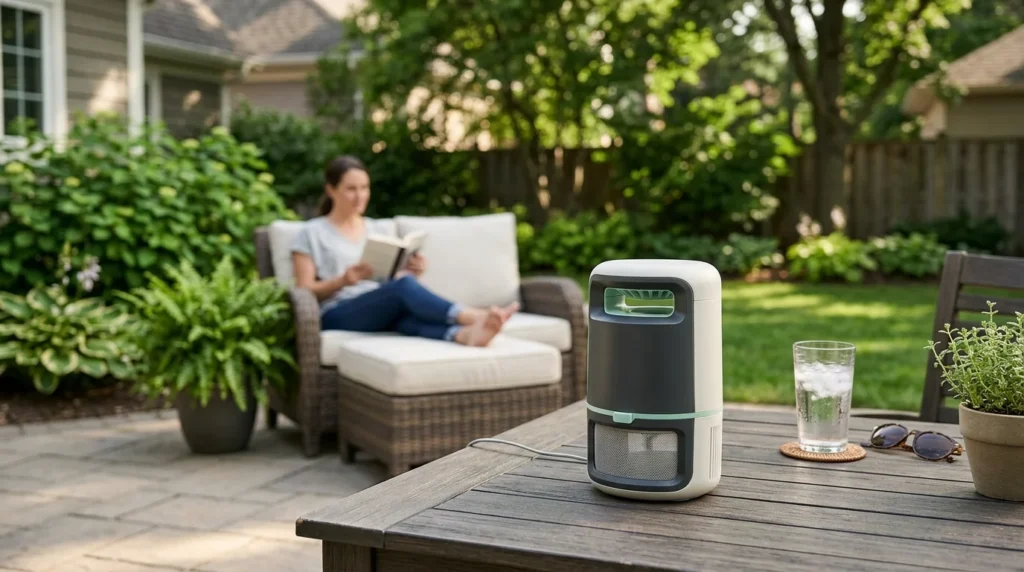
For mosquito-focused outdoor use, start by considering a CO₂ or host-lure system. Those devices imitate cues that female mosquitoes use while seeking a blood meal. A simple UV unit is better viewed as a general insect catcher.
Small suburban yards usually do not need the largest propane equipment. Placement, drainage, and nearby breeding sites may matter more than advertised acreage. HomeCraftly’s backyard landscaping guide can help identify wet areas and improve yard layout.
Large rural properties and cottages create a different challenge. Nearby wetlands, woodland, or unmanaged water can continuously introduce new insects. Bigger equipment may help, but it cannot control sources beyond your property.
Our Verdict
Choose a CO₂ or multi-attractant trap when your main goal is catching mosquitoes. Choose UV equipment when broader flying-insect collection is acceptable. Avoid treating either option as a complete mosquito-control plan.
Canadian homeowners should begin with source reduction before adding equipment. Health Canada recommends removing or managing standing water where larvae develop. This step costs little and targets mosquitoes before they become adults.
How to Place an Outdoor Trap
Good placement can matter as much as machine size. Avoid putting an attractant directly beside your dining table or favourite chair. You don’t want mosquitoes travelling through occupied areas.
Look for shaded, sheltered locations near areas where mosquitoes rest or travel. Follow the manufacturer’s distance and clearance instructions. Wind direction can also change where scents and carbon dioxide travel.
Consider the entire yard, not just one device location. HomeCraftly’s Canadian fence guide can help when boundaries and privacy structures affect airflow. The site’s Pest Control section also covers related home and yard prevention topics.
Reduce Mosquitoes Before They Reach the Trap
Mosquitoes develop in standing or slowly moving water. Health Canada recommends checking low areas, pool covers, containers, planters, ponds, and other water-holding locations. Some species can complete early development surprisingly quickly in warm conditions.
Inspect the property after heavy rain instead of waiting for biting activity. Empty containers that don’t need water and fix avoidable drainage problems. HomeCraftly’s landscaping guide also explains why drainage should be planned before decorative yard upgrades.
Routine lawn maintenance can make property inspections easier. Removing heavy seasonal debris can reveal hidden containers and wet depressions. HomeCraftly’s lawn sweeper guide covers practical options for larger yard cleanups.
Where standing water cannot be removed, follow Canadian guidance carefully. Health Canada says approved larvicides carry a Pest Control Product number. Always use the product according to its Canadian label.
Current Mosquito Trap Prices in Canada
Prices vary by technology, coverage claims, retailer, and seasonal supply. Home Depot Canada currently lists smaller electric zappers around CA$50 to CA$100. Larger DynaTrap models are listed around CA$198 to CA$298.
Propane equipment costs considerably more. Home Depot has listed a one-acre propane model around CA$599. Canadian Tire currently lists SkeeterVac units around CA$499 to CA$699.
Purchase price tells only part of the story. Before comparing models, check propane, attractant, bulb, glue-card, and electricity requirements. A cheaper machine can cost more over several summers if consumables are expensive.
Maintenance Tips That Improve Reliability
Check the collection area regularly during periods of heavy insect activity. Dead insects and debris can restrict airflow in fan-driven traps. Disconnect electrical equipment before cleaning or opening protected components.
Replace scent lures according to the manufacturer’s schedule rather than guessing. Old attractants may reduce the device’s ability to compete with people nearby. Store seasonal components in a dry location before winter.
Outdoor electrical connections also need weather protection. Use equipment approved for its intended environment and follow Canadian electrical requirements. Stop using damaged cords, plugs, housings, or propane components.
Frequently Asked Questions
What mosquito trap works best for Canadian backyards?
CO₂ and multi-attractant traps are the most logical choices for mosquito-focused trapping. They use cues associated with host-seeking behaviour rather than light alone. Your property size, nearby water, wind, and placement still affect results.
Do mosquito traps really work?
They can catch mosquitoes, but catching insects does not guarantee property-wide population control. Health Canada advises against relying on traps for population control. Combine trapping with water management, screens, clothing, and approved repellents.
Are bug zappers good for mosquitoes?
Bug zappers kill flying insects attracted to their light. They aren’t a dependable stand-alone method for reducing mosquito populations. Choose them for general insect collection rather than targeted mosquito control.
Where should an outdoor trap be placed?
Place it away from occupied seating and follow the manufacturer’s instructions. Shaded, sheltered locations are often a sensible starting point. Avoid positioning an attractant where incoming insects must pass through people.
How much should I spend in Canada?
Basic electric units can cost below CA$100, while larger electric traps may reach several hundred dollars. Propane systems can cost CA$500 or more before ongoing supplies. Compare seasonal ownership costs rather than purchase price alone.
Can I use a trap instead of mosquito repellent?
No single device should replace personal protection when bites are a concern. Health Canada recommends approved repellents and protective clothing, along with property management. Trapping can be one additional layer.
Build a Better Mosquito-Control Plan
A trap works best when it has a clear job within a broader yard strategy. Start by removing standing water, repairing screens, and identifying the places where mosquitoes remain active. Then choose equipment that matches those conditions.
Do not buy solely from acreage claims or insect counts in a collection basket. Focus on attraction technology, ongoing costs, placement needs, and maintenance. Those details matter more during a Canadian summer.
For more seasonal outdoor planning, explore HomeCraftly’s Pest Control guides and backyard planning ideas. A drier, better-organized yard can support every other control method. It can also make summer spaces easier to enjoy.