A compact backyard can still provide a practical place to cook, prep, and entertain. The best small outdoor kitchen ideas use efficient layouts instead of squeezing oversized appliances into limited space. Canadian homeowners should also plan for rain, snow, freezing temperatures, and seasonal storage. There is more on this in our guide on landscaping design.
Quick answer: Start with a compact grill, useful prep surface, and weather-resistant storage. A straight wall layout usually suits narrow patios, while an L-shape works well in corners. Choose materials that tolerate moisture and freeze-thaw cycles, then add features only when they earn their space.
Small Outdoor Kitchen Planning at a Glance
| Planning choice | Good option for a small space | Why it works |
|---|---|---|
| Layout | Straight run | Uses one wall and protects open floor space |
| Alternative layout | Compact L-shape | Adds a counter area without creating a large island |
| Cooking appliance | Two- or three-burner grill | Covers everyday cooking with a smaller footprint |
| Prep space | 60–90 cm clear counter | Gives you a usable landing and chopping area |
| Storage | Drawers or enclosed cabinet | Keeps tools nearby without adding furniture |
| Counter material | Exterior-rated stone, concrete, or stainless steel | Handles outdoor exposure better than indoor materials |
| Flexible option | Rolling prep cart | Can move or go into storage during winter |
| Canadian priority | Drainage and winter preparation | Reduces moisture and freeze-related problems |
Key Takeaways
- Put the grill and prep surface ahead of secondary appliances.
- Keep walkways open instead of filling every available corner.
- Use vertical storage when floor space is limited.
- Consider movable components if you cook outside only during warmer months.
- Choose exterior-rated materials rather than indoor cabinetry.
- Protect plumbing from freezing before winter.
- Check grill clearances and local requirements before building permanent structures.
Measure the Space Before Choosing Appliances
Start with the usable patio or deck area rather than the appliance catalogue. Record walls, doors, stairs, railings, windows, and the path people use through the space. Homecraftly’s measuring tape guide can help you choose a practical tool for this planning work.
Mark the proposed kitchen footprint with painter’s tape or cardboard. Walk around it while someone pretends to cook at the counter. This simple test exposes blocked doors and cramped serving areas before you spend money.
A compact design works better when every component has a clear job. Leave decorative extras until cooking, preparation, storage, and movement are solved. You can always add accessories after using the space for a season.
11 Small Outdoor Kitchen Ideas That Work in Canada
1. Build a Straight Kitchen Along One Wall
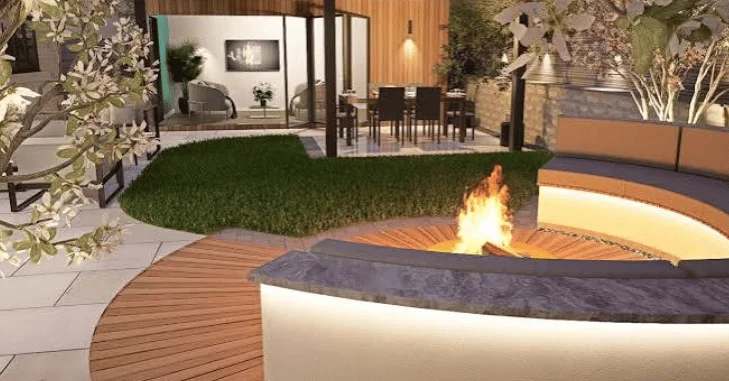
A single-wall layout is one of the easiest ways to preserve patio space. Place the grill beside a preparation counter and enclosed storage. Keeping everything in one run also creates a simple cooking workflow.
This arrangement works particularly well behind townhouses and on narrow urban patios. It avoids the floor space required by a central island. It can also keep utility connections closer to the house.
2. Use a Small L-Shaped Corner
An L-shaped setup turns an unused corner into working counter space. Put the grill on one side and the preparation space on the other. The short return can double as a serving ledge.
Avoid making both legs excessively deep. Large cabinets can quickly close off a small patio. A shallow return often provides enough extra surface without restricting movement.
3. Start With a Grill and Prep Cart
A permanent built-in structure is not essential for useful outdoor cooking. Pair a freestanding barbecue with a rolling stainless steel or weather-resistant prep cart. The combination offers counter space and storage without a major renovation.
This approach can also suit renters and homeowners testing a layout. Canadian Tire listed a stainless steel mobile prep station around CA$300 during October 2026 research. Prices and availability can change by location.
4. Choose Modular Cabinets Instead of Custom Masonry
Modular components let you build the cooking area one section at a time. Begin with a grill cabinet and storage module, then expand later if needed. This approach can control both footprint and initial spending.
Canadian retailers stock outdoor cabinetry in stainless steel, galvanized steel, and aluminum. RONA listings reviewed in October 2026 ranged from roughly CA$599 to CA$1,999 for many individual cabinet modules. Confirm current pricing before setting your budget.
5. Use Vertical Storage
Walls and fences can provide storage without consuming valuable floor area. Consider weather-rated shelves, utensil rails, hooks, or a narrow cabinet. Keep combustible materials away from hot appliances according to the appliance instructions.
Vertical storage works best for lightweight items used often. Heavy cookware belongs in stable lower cabinets. Enclosed storage also provides better protection from rain and wind-blown debris.
6. Skip the Outdoor Fridge Unless You Need It
A refrigerator sounds convenient, but it occupies valuable cabinet space. Many compact yards work better with an insulated cooler or indoor refrigerator nearby. That choice also removes another electrical appliance from the plan.
Add refrigeration when you entertain frequently, or the indoor kitchen is far away. Choose equipment specifically rated for outdoor installation. Indoor appliances are not designed for the same temperature and moisture exposure.
7. Create a Fold-Down Prep Surface
A fold-down counter provides workspace only when you need it. Mount one to a suitable wall or build it into a compact cabinet system. Once dinner is finished, the surface can fold away.
Hardware must be rated for the expected load and outdoor conditions. The supporting wall also needs suitable framing or masonry anchoring. Do not mount a heavy worktop to decorative cladding alone.
8. Combine the Counter and Serving Bar
One counter can serve several purposes in a limited backyard. Use the cooking side for preparation and the opposite edge for serving. A small overhang can create room for stools where the structure permits it.
Keep seating away from direct grill heat and busy cooking zones. Guests should not need to cross behind the cook for every drink. A good layout separates social space from hot surfaces.
9. Choose Materials for Canadian Weather
Exterior finishes face rain, ultraviolet exposure, temperature swings, snow, and freeze-thaw cycles. Stainless steel, exterior-rated stone, suitable concrete, and outdoor cabinetry are practical options. Indoor particleboard cabinets should stay indoors.
Concrete counters and surrounding slabs may also benefit from suitable protection. Homecraftly’s concrete sealer guide compares options for Canadian freeze-thaw conditions. Product suitability still depends on the specific surface.
10. Add Privacy Without Closing in the Grill
A fence or screen can make a compact cooking area feel more comfortable. Position it carefully so it does not interfere with ventilation or appliance clearances. Avoid boxing a grill inside a tight combustible enclosure.
Local fence rules and permitted heights vary between Canadian municipalities. Homecraftly’s Canadian fence guide explains common planning considerations. Check your municipality before building a new permanent screen or fence.
11. Design the Kitchen for Winter Shutdown
Canadian weather makes seasonal maintenance part of the design. Water lines and fixtures exposed to freezing temperatures need a safe winter plan. Provide accessible shut-off and drainage arrangements when a sink is included.
PEX handles some freezing movement better than rigid materials, but fittings remain vulnerable. Homecraftly’s PEX pipe guide explains its limitations in Canadian conditions. A qualified plumber can advise on exterior supply lines in your climate.
What Does a Small Setup Really Need?
The essentials are simpler than many showroom displays suggest. Most households need a reliable cooking appliance, landing space beside it, and somewhere for tools. Those three elements provide more daily value than filling a short counter with specialty appliances.
Try to protect at least one useful stretch of clear counter. A sink, burner, fridge, and pizza oven can consume the entire workspace quickly. Preparation space is often what makes an outdoor cooking area feel functional.
Storage should support the food you normally cook outside. Keep grilling tools, trays, and weather-safe accessories close to the cooking zone. Store food and items sensitive to moisture indoors unless the cabinet provides suitable protection.
How Much Can a Small Outdoor Kitchen Cost in Canada?
Costs vary greatly because a rolling station and a custom-built-in project are different products. A basic setup may use an existing barbecue and a CA$300–$400 prep cart. Modular cabinet systems can move into several thousand dollars before the grill, countertop, utilities, or labor are included.
Large prefabricated islands can cost considerably more. One fully equipped Home Depot Canada island was listed near CA$9,383 during September 2026 research. Treat retail examples as planning references because promotions and inventory change. You might also like our piece on best dishwasher in Canada.
Utility work can also shift the budget quickly. Gas, water, drainage, and new electrical circuits may require licensed trades. Keeping the cooking station near existing services can reduce unnecessary installation complexity.
Common Space-Saving Mistakes to Avoid
Buying appliances before planning the layout is a common mistake. A large barbecue may leave no useful landing area beside it. Measure the complete appliance with lids, doors, and handles open.
Another mistake is treating every empty centimeter as storage space. A cooking zone also needs room for people to stand and move safely. Open space is a functional feature, not wasted space.
Finally, avoid choosing materials based only on indoor appearance. Outdoor surfaces face conditions that kitchen cabinetry never sees. Confirm weather ratings, installation requirements, and maintenance needs before purchasing.
Frequently Asked Questions
What are the best small outdoor kitchen ideas for a narrow backyard?
A straight grill station along one wall is usually the simplest starting point. Add a compact prep counter and enclosed storage before considering extra appliances. An L-shaped layout can work when the yard has an unused corner.
Can I put an outdoor cooking area on a deck?
A deck may support a cooking station, but the structure and appliance requirements matter. Check the deck’s condition, expected load, heat protection, and required clearances. Follow the grill manufacturer’s instructions and local rules before installation.
Do I need a sink?
No, a sink is optional for most compact setups. Skipping one saves counter space and avoids exterior plumbing that requires winter preparation. A sink becomes more useful when the cooking area sits far from the house.
What countertop works well in Canadian weather?
Exterior-rated stone, stainless steel, and appropriately designed concrete are common choices. The exact product must tolerate moisture and expected temperature changes. Confirm exterior suitability with the manufacturer before installation.
Should I cover the cooking area?
A roof or pergola can provide shade and weather protection. Any structure above a grill must respect the appliance manufacturer’s clearance and ventilation requirements. Never assume an indoor range-hood arrangement automatically suits outdoor equipment.
Plan the Smallest Kitchen That Meets Your Needs
A successful compact cooking area does not need every appliance sold for outdoor entertaining. Start with the meals you cook, the people you host, and the space available. Then give your grill, preparation surface, and movement areas first priority.
Canadian conditions make material choice and seasonal planning especially important. Choose components that can handle outdoor exposure and prepare water systems before freezing weather. That work can prevent a stylish summer project from becoming a spring repair.
Use these small outdoor kitchen ideas as a starting point, then measure your own space carefully. Build around how you cook rather than a showroom display. A smaller, well-planned setup can be more useful than a crowded full-size installation.