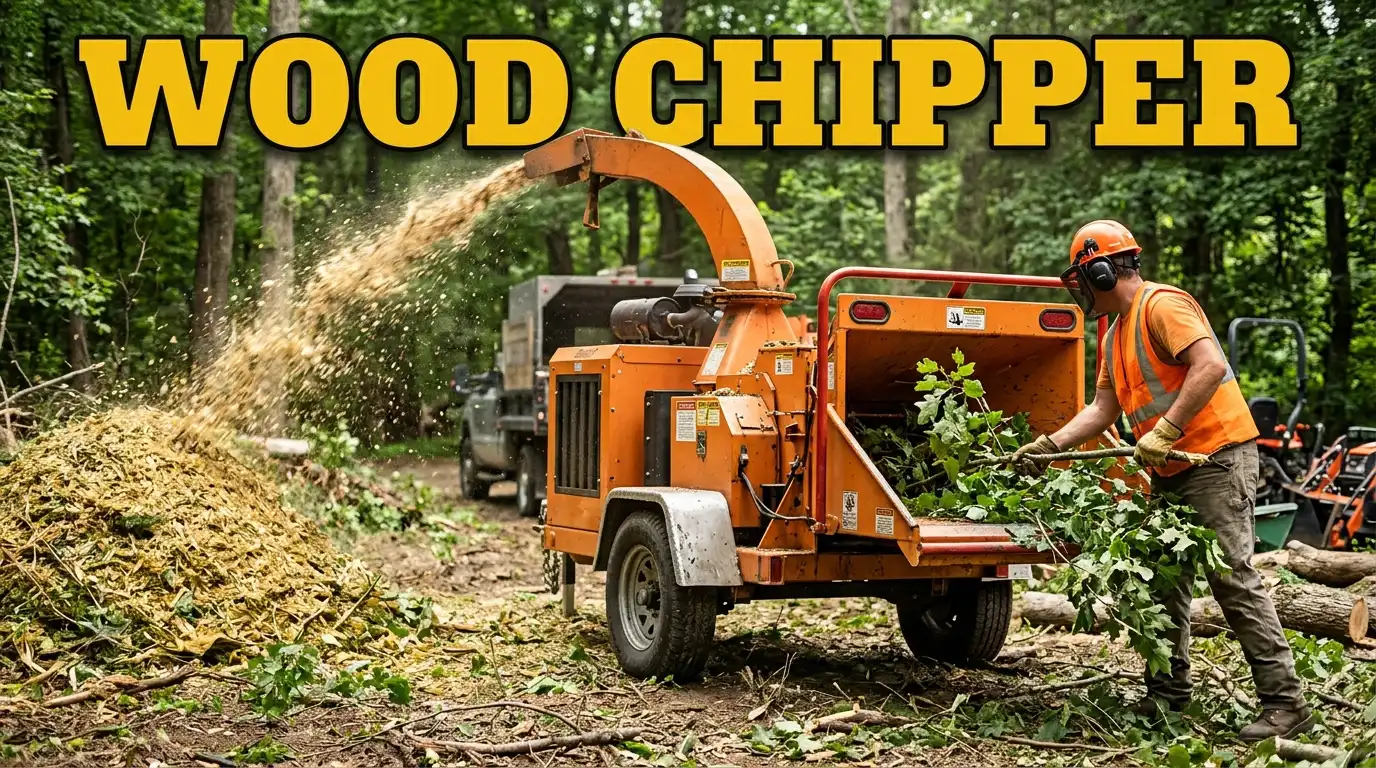
A wood chipper can turn branches, brush, and pruning waste into manageable chips for mulch or disposal. Canadian homeowners can choose compact electric machines, stronger gas models, or larger towable and tractor-powered equipment. The right choice depends mainly on branch diameter, property size, workload, storage, and budget.
Quick answer: Electric chippers suit small urban yards and branches under roughly 1.5 to 1.75 inches. Gas machines handle thicker material and larger properties more effectively. Most homeowners should buy only enough capacity for routine pruning, then rent heavier equipment for occasional major cleanup.
Chippers at a Glance
| Type | Best for | Typical capacity | Current Canadian price signal | Main trade-off |
|---|---|---|---|---|
| Corded electric | Small yards and pruning | About 1–1.75 in. | About CA$249–$350 | Limited reach and capacity |
| Battery electric | Light mobile cleanup | Around 1 in. | Around CA$329 | Runtime and smaller capacity |
| 3-inch gas | Larger residential yards | Around 3 in. | About CA$999–$2,000 | Noise, fuel, maintenance |
| 4–5-inch gas | Acreages and heavy cleanup | About 4–5 in. | About CA$2,400–$3,000+ | Cost, size, storage |
| 6-inch gas | Large properties and frequent work | Around 6 in. | About CA$3,300–$4,300+ | Heavy, expensive equipment |
Prices reflect Canadian retailer listings reviewed in October 2026. Promotions, regional stock, delivery charges, and model specifications can change the final cost. Compare current listings before setting a firm equipment budget.
Key Takeaways
- Choose capacity from the thickest branches you regularly produce.
- Electric models make sense for smaller properties and occasional pruning.
- Gas-powered machines provide more capacity and freedom from extension cords.
- A 3-inch gas unit covers many larger residential cleanup jobs.
- Renting can be cheaper than owning equipment used once each year.
- Dry, straight branches usually process more easily than wet or tangled debris.
- Safety equipment and careful feeding matter regardless of machine size.
- Plan how you will use the resulting chips before starting the job.
Electric, Gas, or Heavy-Duty: Which Type Fits Your Property?
Electric machines are usually the easiest ownership option for smaller Canadian homes. They start quickly, require little engine maintenance, and avoid storing gasoline. Their lower capacity makes them better for routine pruning than storm-damaged limbs.
Current Canadian listings show many corded models between roughly CA$249 and CA$350. Home Depot Canada lists residential machines around 1.5 to 1.7 inches of cutting capacity. RONA also carries electric models in a similar price range.
Pros of electric models
- Lower purchase price.
- Easy starting.
- Less routine maintenance.
- No gasoline storage.
- Suitable for compact suburban lots.
Cons of electric models
- Lower branch capacity.
- Extension-cord restrictions.
- Less suitable for large cleanup jobs.
- Wet or fibrous material can clog more easily.
- Working range depends on electrical access.
Gas machines become more practical when branches are thicker or spread across a larger property. They offer greater mobility and much higher processing capacity. They also require fuel, engine care, winter storage preparation, and more storage space.
Three-inch residential gas machines currently appear around CA$999 to CA$2,000 in Canadian listings. Four-inch and larger equipment can move well beyond CA$2,000. Large six-inch units commonly reach several thousand dollars.
Pros of gas models
- Higher branch capacity.
- No power cord.
- Better for larger properties.
- Faster processing of substantial pruning waste.
- Wider range of towable designs.
Cons of gas models
- Higher purchase cost.
- Engine maintenance.
- More noise.
- Fuel storage.
- Greater weight and storage requirements.
How to Choose a Wood Chipper for a Canadian Home
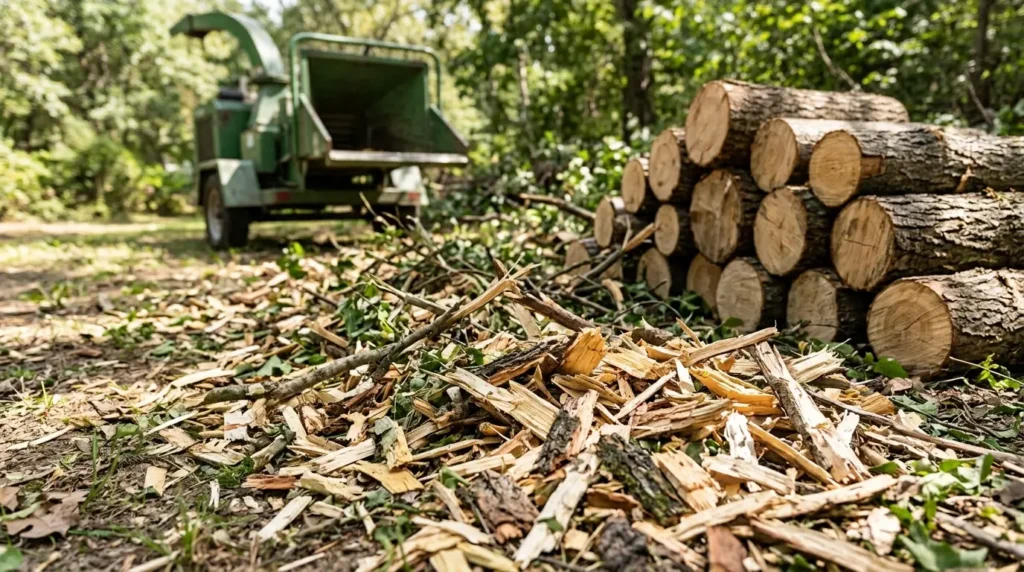
Start with the largest branches your property produces during normal maintenance. Buying for one unusually large limb can lead to unnecessary expense. Renting heavier equipment for rare jobs often makes more financial sense.
Measure branches at their thickest practical point before comparing machine specifications. A simple tape can prevent guessing and overspending on capacity. Homecraftly’s measuring tape guide explains useful options for outdoor project measurements.
Next, consider how much material you create during a typical cleanup. A few shrub branches require different equipment than several mature trees. Property access also affects whether a large wheeled or towable machine is practical.
Storage deserves equal attention before purchase. Large gas units take up considerable garage or shed space year-round. Measure doors, gates, paths, and storage areas before ordering heavy equipment.
What Branch Capacity Do You Really Need?
A 1.5-inch electric machine can suit homeowners pruning shrubs, young trees, and smaller branches. It keeps ownership costs low and remains easier to move. It becomes frustrating when thick branches make up much of the cleanup pile.
A 3-inch gas model offers a useful middle ground for larger residential properties. It can process material beyond the practical range of most small electric units. You still need to trim awkward forks and side branches before feeding them.
Four-inch and larger equipment makes more sense on acreages, wooded properties, or frequent cleanup sites. These machines cost more and require suitable transport and storage. Homeowners with occasional heavy work should compare rental costs before buying.
Avoid choosing equipment solely from advertised maximum diameter. Knotted hardwood, wet branches, forks, and irregular material can be harder to process. Operating below the absolute limit often produces smoother, less frustrating work.
Chipper Versus Shredder: Know the Difference
A chipper primarily cuts woody branches into pieces suitable for mulch or easier disposal. A shredder handles softer yard material, including leaves and small plant debris. Combination machines provide separate or shared feeding systems for both jobs.
This distinction matters when autumn leaves create more work than tree branches. A dedicated leaf shredder may process lightweight debris more efficiently than a branch-focused machine. Buying extra chipping capacity will not automatically improve leaf handling.
Homeowners planning broader fall cleanup can also compare mechanical collection options. Homecraftly’s lawn sweeper guide covers push and tow-behind equipment for leaves and loose yard debris. Combining the right collection and processing tools can reduce repeated handling.
How Much Should You Spend in Canada?
For light residential work, around CA$250 to CA$350 currently buys several electric options. That range suits homeowners who mainly prune shrubs and smaller trees. It also keeps maintenance and storage demands modest.
A capable 3-inch gas machine can cost roughly CA$1,000 to CA$2,000. Prices vary by engine, feed system, construction, included collection features, and towability. This category becomes reasonable when thicker branches appear regularly.
Larger 4–6-inch machines can cost roughly CA$2,400 to more than CA$4,000. Some professional or hydraulic-feed equipment costs considerably more. Ownership only makes sense when repeated use can justify the investment.
Consider the total ownership cost rather than the sticker price alone. Fuel, oil, blades, belts, storage, transport, and maintenance add expenses over time. Rental can offer better value when a major cleanup happens only occasionally.
Buy or Rent?
Buy an electric model when routine pruning creates small branches every season. Frequent use makes the modest purchase price easier to justify. Compact equipment is also simpler to store between jobs.
Consider buying a gas unit when your property regularly produces thicker woody material. Acreages and homes with mature trees can create enough annual debris to support ownership. Make sure storage and maintenance fit your routine before purchasing.
Rent when the equipment would otherwise sit unused for most of the year. Rental also lets you access heavier capacity without permanently storing a large machine. Confirm transport requirements, deposit terms, fuel rules, and operating instructions before pickup.
Safe Feeding and Operation
Wear eye protection, hearing protection, sturdy footwear, fitted clothing, and appropriate work gloves. Keep children, pets, and bystanders well away from the operating area. Follow the machine’s manual, as feeding procedures differ by design.
Never exceed the manufacturer’s stated branch capacity. Remove large side branches or awkward forks before feeding material into the hopper. Keep your hands away from the feed opening and use the provided pushing tool when required.
Turn the machine off before clearing jams or making adjustments. Wait until all moving components stop completely before approaching cutting parts. Electric models should also be unplugged before maintenance or blockage removal.
Outdoor electrical equipment requires suitable cords and protected connections. One Canadian electric chipper manual specifies outdoor-rated extension cords and GFCI protection. Always follow the cord gauge and length requirements listed for your specific model.
What Can You Do With the Wood Chips?
Fresh chips can be useful around paths, ornamental areas, and established trees. They help cover soil and can reduce exposed muddy areas. Keep mulch away from direct contact with trunks and building materials.
Branches from routine landscaping can therefore become useful material instead of waste to dispose of. Your broader yard plan should determine where chips provide practical value. Homecraftly’s white clover lawn guide offers additional ideas for managing Canadian lawns and outdoor spaces.
Do not assume every chipped plant belongs in compost or garden beds. Diseased plant material may require different disposal methods. Invasive species can also have local handling requirements.
Common Buying Mistakes
Buying too much capacity is one of the easiest ways to overspend. A massive machine offers little value when most branches are smaller than your thumb. Match equipment to routine maintenance, not exceptional events.
Buying too little capacity causes the opposite problem. Constant trimming and repeated jams can turn a simple cleanup into tedious work. Measure your typical material before committing to a small machine.
Ignoring access can also create trouble after delivery. Gates, slopes, stairs, soft lawns, and narrow side yards may prevent larger machines from reaching the work area. Homecraftly’s post hole digger guide uses the same practical principle when matching powered equipment to yard access.
Our Recommendation for Most Canadian Homeowners
Choose a corded electric model for a small suburban property with regular light pruning. A capacity of around 1.5 inches can handle many shrub and small-tree branches. It keeps cost, storage, and maintenance comparatively low.
Move to a 3-inch gas machine when your property produces substantial branches every season. This category provides a useful balance between homeowner portability and heavier cutting capacity. It also avoids jumping directly into expensive acreage-scale equipment.
Rent equipment above that level unless your property creates enough heavy material to justify ownership. A large machine can become an expensive storage problem between jobs. The best purchase is the smallest safe model that handles your recurring workload comfortably.
Frequently Asked Questions
What size wood chipper is best for home use?
Small urban yards often need only a 1.5-inch electric model. Larger properties with mature trees may benefit from roughly 3-inch gas capacity. Choose from your normal branch size rather than the largest branch you have ever encountered.
Are electric chippers worth buying?
Yes, for light and regular residential pruning. They cost less, start easily, and require less maintenance than gasoline equipment. Their main limitations are smaller branch capacity and dependence on electrical access.
Is a gas chipper better than electric?
Gas equipment is better when you need thicker branches, mobility, or higher output. Electric equipment remains simpler and cheaper for lighter work. Choose based on property size and debris type.
Can I put wet branches through a chipper?
Some machines can process damp material, but wet debris may increase clogging. Fibrous greenery can also behave differently from dry woody branches. Follow the manufacturer’s guidance for acceptable materials and feeding techniques.
Should I buy or rent a large machine?
Renting usually makes sense for occasional storm cleanup or major tree pruning. Buying becomes easier to justify when substantial woody debris appears several times each year. Include storage and maintenance costs in your comparison.
How much do chippers cost in Canada?
Light electric models currently start around CA$250 among major Canadian listings.ResidentialgasequipmentcanrangefromaboutCA$1,000 to several thousand dollars. Prices change with capacity, engine size, feeding system, shipping, and promotions.
Make the Purchase Match the Yard
Start by measuring the branches you regularly need to process. Then compare capacity, property access, power source, storage, and realistic annual use. That approach reduces the chance of buying an expensive machine that rarely leaves the shed.
For many Canadian homeowners, smaller equipment or occasional rental provides the best value. Larger properties can justify gas power when debris volumes stay consistently high. Choose based on recurring work, then follow the operating manual every time.